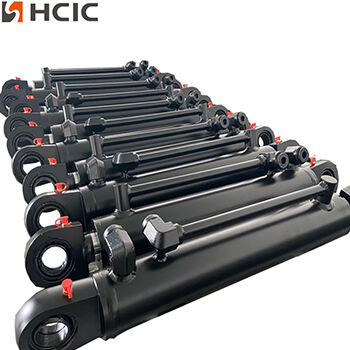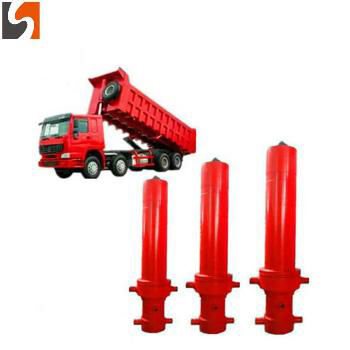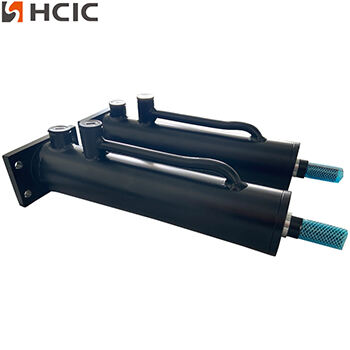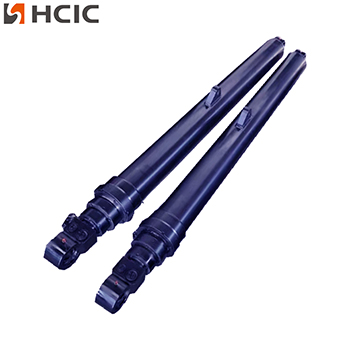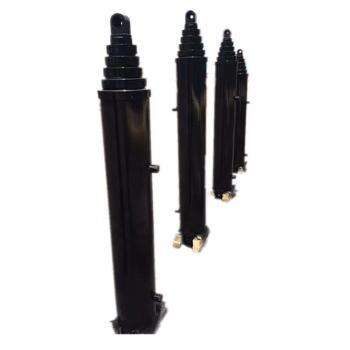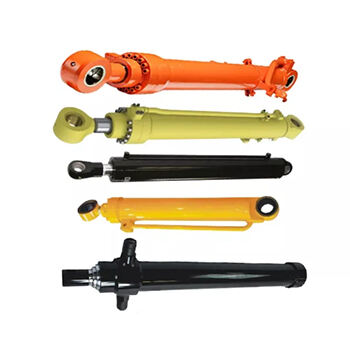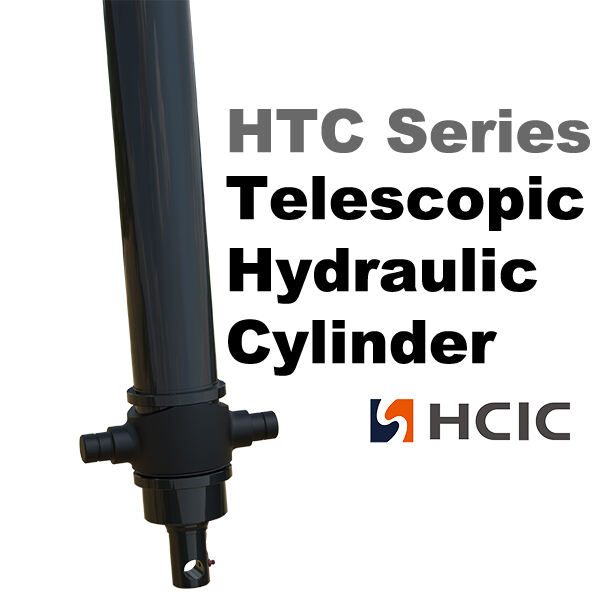
Once upon a time in the life of machines and in the age of robots, there was a special kind of cylinder that reigned supreme called a single stage hydraulic cylinder. These cylinders may sound complex but are really straightforward and they key to get things to work nicely.
The advantages of single stage hydraulic cylinders are indeed many. Strong, robust, such they lift Dangy objects with impunity. They are engineered to be used where the health of the user, convenience and accuracy are all-important. Single stage hydraulic cylinders are also popular due to their long-lasting nature – once again with minimal maintenance required.
Why Single Stage Hydraulic Cylinders Are Used It is important to know how the single stage hydraulic cylinders work to understand why they are used. These cylinders operate by sliding a piston with hydraulic fluid, and the attached gadget, directly from one end of the this cylinder to the other. The fluid is confined within a closed system for convenient and effective use. Operators can further control the speed and force of the cylinder by regulating the quantity of fluid and pressure.
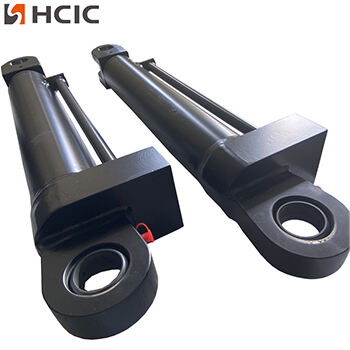
Single stage hydraulic cylinders applications are extensive. They're also often used in construction equipment like cranes and bulldozers to lift heavy materials and objects. In factories, such cylinders are utilized in robot arms for assembling products with speed and precision. Not only limited to construction and machinery but in daily life as well, e.g., in car jacks or elevators, single stage hydraulic cylinders are used.
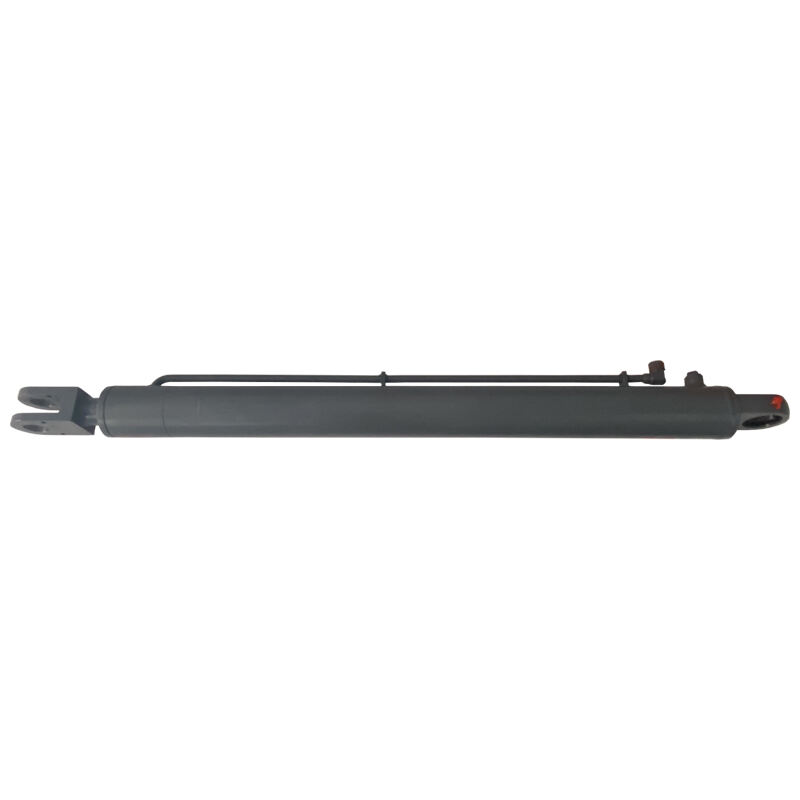
Single stage cylinders are a marvel at how they simplify processes. These cylinders help to reduce costs by handling tasks that would be hard, boring or dangerous for individuals to perform. They will, without getting tired, work without getting tired helping business to become more produtive and to meet deadlines.
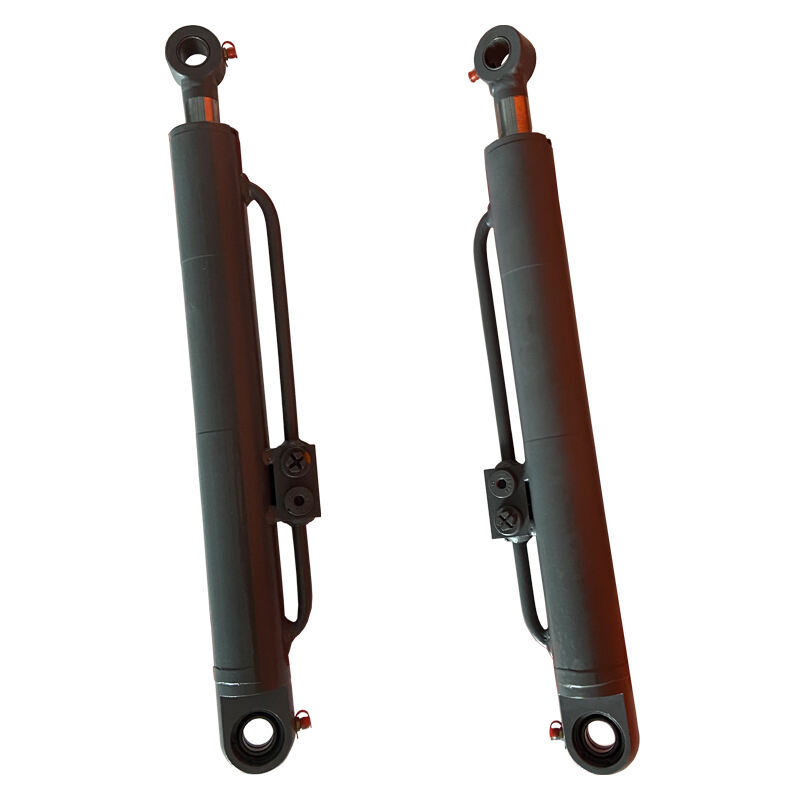
The importance of hydraulic cylinders in different industries may not be underestimated. They are used in farms for tractors that plow fields and pick crops. In medicine, they are employed in patient care and surgical apparatus. In the aerospace industry, they are employed to actuate both landing gear and control surfaces on planes.
Huachen analyzes every product at length plus provides a written detailed report the customer prior to delivery. We have been dedicated to quality through the manufacturing process, conducting thorough evaluating of materials, manufacturing processes, as well because last products to determine their strength, pressure and thickness of this layer of chrome. We have been making significant investments the testing of equipment and procedures to promise we supply quality products into the suppliers.
HCIC reconstructed its Huachen center in 2020, designed with 20 hydraulic engineers. This improvement allows us to provide tailored solutions is tailored to the particular criteria of these workplace. We fully support OEM and encourage one to visit our factory yourself.
Huachen is a dependable supplier of well-known brands across 150 countries. With significantly more than two decades' experience, Huachen can boast a rich knowledge experiences. You can expect hydraulic answers to a broad spectrum of. These include material handling, snowfall equipment aerial working platforms equipment that was agricultural auto lifts, trucks and trailers, and garbage trucks. Huachen is focused on supplying expert options all of our customers, helping them to have success.
Huachenhas specialized in three factories that comprise a complete lot significantly more than 70,000 square meters of production workshops, and employs more than 1000 employees which can be acquainted with higher rate equipments in order to make.

HCIC has international advanced equipment such as processing centers,full digital hydraulic testing systems,CNC machine tools,and automatic welding machines. The annual output of various types of hydraulic cylinders and power units can reach more than 30,000 units.
Building A9, Yinfeng International Biology City, No. 1177 Chunlan Road, High-tech Zone, Jinan City, Shandong Province
Copyright © Jinan Huachen Industrial Co., Ltd. Privacy Policy
 EN
EN
 AR
AR
 BG
BG
 HR
HR
 CS
CS
 DA
DA
 NL
NL
 FI
FI
 FR
FR
 DE
DE
 EL
EL
 HI
HI
 IT
IT
 JA
JA
 KO
KO
 NO
NO
 PL
PL
 PT
PT
 RO
RO
 RU
RU
 ES
ES
 SV
SV
 CA
CA
 TL
TL
 IW
IW
 ID
ID
 LV
LV
 LT
LT
 SR
SR
 SK
SK
 UK
UK
 VI
VI
 HU
HU
 TH
TH
 TR
TR
 FA
FA
 MS
MS
 GA
GA
 CY
CY
 KA
KA